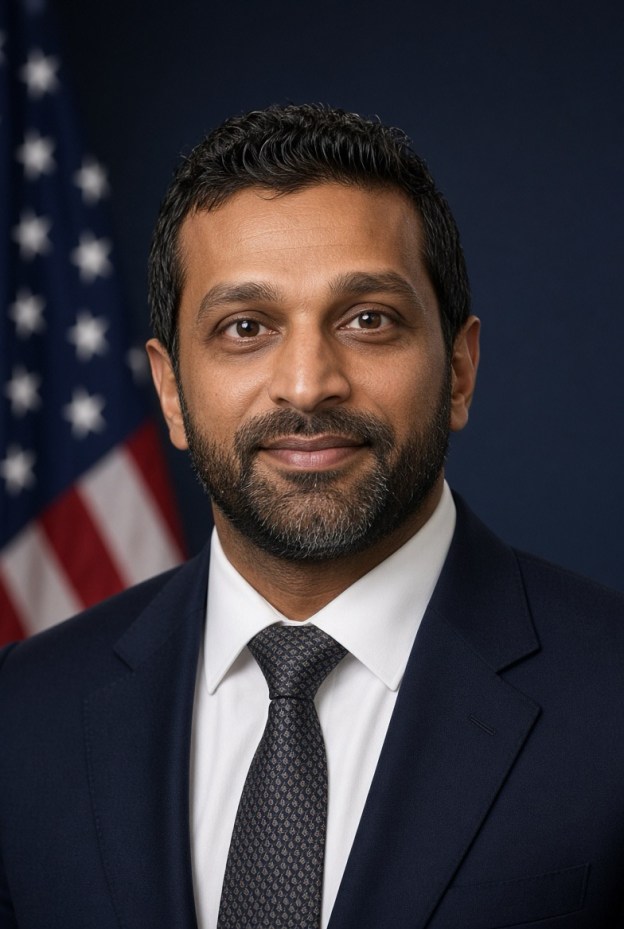
Key statutory/regulatory duties (from 28 CFR § 0.85)
The Director shall:
• Investigate violations of U.S. laws (including criminal drug laws) and collect evidence in cases in which the United States is or may be a party in interest, except where responsibility is exclusively assigned to another agency. Authority over drug investigations is concurrent with the DEA Administrator; the Director may exercise relevant Attorney General authorities and handle related seizures/forfeitures.
• Conduct the acquisition, collection, exchange, classification, and preservation of fingerprints and identification records; provide expert testimony; offer training; and assist in disasters and humanitarian identification.
• Conduct personnel investigations for the Department of Justice and as otherwise required.
• Take charge of investigative work in matters relating to espionage, sabotage, subversive activities, and related foreign counterintelligence matters (per longstanding Presidential directives), including potential violations of the Arms Export Control Act, Export Administration Act, Trading with the Enemy Act, or International Emergency Economic Powers Act involving foreign counterintelligence.
• Establish and conduct law enforcement training programs for state and local personnel; operate the FBI National Academy; and develop techniques, systems, and equipment to strengthen law enforcement.
• Operate a central clearinghouse for police statistics (Uniform Crime Reporting Program) and the National Crime Information Center (NCIC).
• Operate the FBI Laboratory, providing technical and scientific assistance (including expert testimony) to federal, state, local, and (in agreed cases) foreign law enforcement agencies.
• Make recommendations to the Office of Personnel Management on certain retirement applications.
• Investigate alleged fraudulent conduct involving the Department of Housing and Urban Development and related criminal provisions of the National Housing Act.
• Exercise authority to approve and conduct specified exchanges of identification records.
• Handle payment of certain awards and purchase of evidence under specified statutory limits.
• Exercise Lead Agency responsibility in investigating all crimes for which the FBI has primary or concurrent jurisdiction that involve terrorist activities or acts in preparation for terrorism within U.S. statutory jurisdiction. This includes collection, coordination, analysis, management, and dissemination of intelligence and criminal information. Other agencies are to notify the FBI of identified terrorist activities.
• Carry out Department responsibilities under the Hate Crime Statistics Act.
• Accept and coordinate services of law enforcement personnel from other federal departments/agencies for investigations of fraud or other criminal activity involving federally insured financial institutions or the Resolution Trust Corporation.
• Carry out Attorney General responsibilities under the Communications Assistance for Law Enforcement Act (CALEA), subject to the Attorney General’s general supervision.
Broader authorities and role
• Head of the FBI and principal investigative arm of the Department of Justice with dual law-enforcement and national-security/intelligence missions. The FBI has authority to investigate federal crimes not exclusively assigned to another agency and provides criminal-justice services (fingerprints, lab, training, NCIC, etc.) to federal, state, local, tribal, and international partners.
• Special agents and officials may make arrests, carry firearms, and serve warrants (18 U.S.C. § 3052).
• The FBI’s official mission is to protect the American people and uphold the Constitution of the United States. Core investigative priorities include counterterrorism, counterintelligence/espionage, cyber, violent crime, civil rights, transnational organized crime, complex financial/white-collar crime, and public corruption.
• The Director oversees an organization of roughly 38,000 employees (special agents plus analysts, specialists, scientists, etc.), headquarters, 56 field offices, resident agencies, and legal attaché offices abroad.
These duties flow from statute, regulation, Presidential directives, and the Attorney General’s authority. Day-to-day priorities, resource allocation, and operational emphases can shift with administrations and threats, but the core legal functions listed above remain the official foundation of the office.
Sources: 28 CFR § 0.85 (Cornell LII / eCFR), FBI official mission and FAQ pages, 28 U.S.C. § 532 and related provisions, and current reporting confirming Kash Patel’s tenure.

