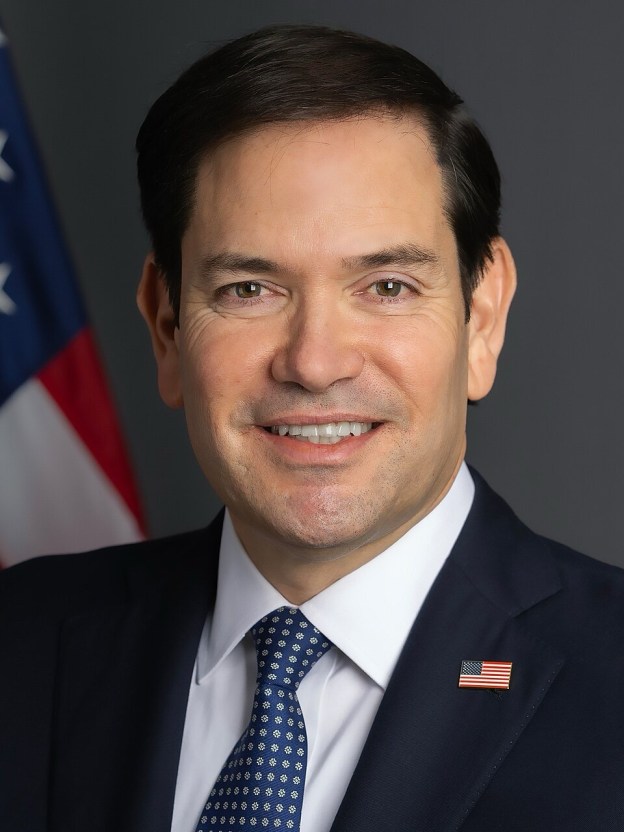
Primary foreign affairs duties
• Serves as the President’s principal adviser on U.S. foreign policy.
• Conducts negotiations relating to U.S. foreign affairs.
• Grants and issues passports to American citizens and exequaturs to foreign consuls in the United States.
• Advises the President on the appointment of U.S. ambassadors, ministers, consuls, and other diplomatic representatives.
• Advises the President regarding the acceptance, recall, and dismissal of the representatives of foreign governments.
• Personally participates in or directs U.S. representatives to international conferences, organizations, and agencies.
• Negotiates, interprets, and terminates treaties and agreements.
• Ensures the protection of the U.S. Government to American citizens, property, and interests in foreign countries.
• Supervises the administration of U.S. immigration laws abroad.
• Provides information to American citizens regarding the political, economic, social, cultural, and humanitarian conditions in foreign countries.
• Informs the Congress and American citizens on the conduct of U.S. foreign relations.
• Promotes beneficial economic intercourse between the United States and other countries.
• Administers the Department of State.
• Supervises the Foreign Service of the United States.
Additional domestic responsibilities (retained since 1789)
These include custody of the Great Seal of the United States; preparation of certain presidential proclamations; publication of treaties, international acts, and the official record of U.S. foreign relations; custody of certain original treaties and international agreements; and serving as the channel of communication between the federal government and the states on the extradition of fugitives to or from foreign countries.
These duties derive from the Constitution, statutes such as the State Department Basic Authorities Act, the Foreign Service Act, and related laws (e.g., authority over passports under 22 U.S.C. provisions). In practice, the Secretary also sits on the National Security Council and oversees a global network of embassies, consulates, and related functions, including aspects of foreign assistance and diplomatic security.

