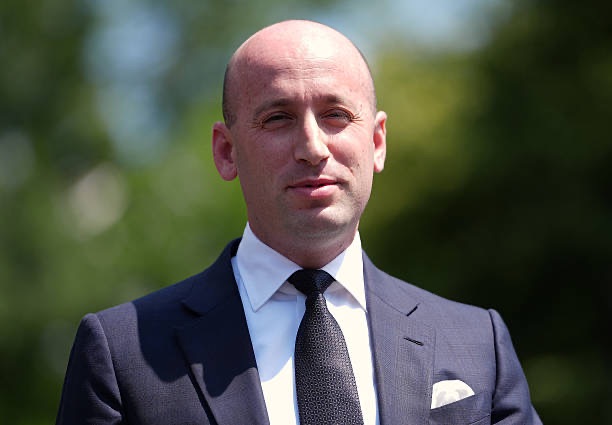
Core Duties and Powers
These are the standard functions of the position (drawn from consistent descriptions across sources, including Wikipedia and analyses of the role):
• Gatekeeper and information controller: Decides who gets access to the President (meetings, calls, visitors) and filters what reaches the Oval Office (memos, briefings, policy papers). This shapes priorities by controlling the flow of people and information.
• White House staff manager / organizational lead: Selects and supervises senior staff, designs reporting structures, oversees daily operations of the West Wing and related offices (hundreds of employees), and mediates internal disputes among advisors, offices, and agencies so the executive branch speaks with a more consistent voice.
• Policy coordinator and overseer: Directs, manages, and oversees policy development and implementation across the administration. Ensures agencies and White House units coordinate on the President’s agenda.
• Legislative and inter-branch negotiator: Works with congressional leaders on legislation, appropriations, budgets, and nominations; often serves as a primary point of contact or negotiator for advancing the administration’s priorities.
• Political advisor and protector of the President’s interests: Advises on policy and politics, shields the President from unnecessary friction or “heat,” and helps protect political standing.
• Crisis and agenda manager: Helps coordinate responses to major issues or emergencies and turns presidential decisions into executable plans, holding staff accountable for follow-through.
Power is largely informal and process-based (proximity to the President + control of the staff system and information flow) rather than formal legal authority over Cabinet departments or independent agencies. Actual influence varies by the individual and the President’s style.
In Miller’s case, coverage notes his background in hardline immigration policy, advocacy for expansive presidential/executive authority, and domestic policy focus; observers expect those priorities to remain prominent (or intensify) in the new role, especially with a Democratic Congress after the midterms.
The position is often described as one of the most powerful unelected roles in the federal government due to its central coordinating function.

