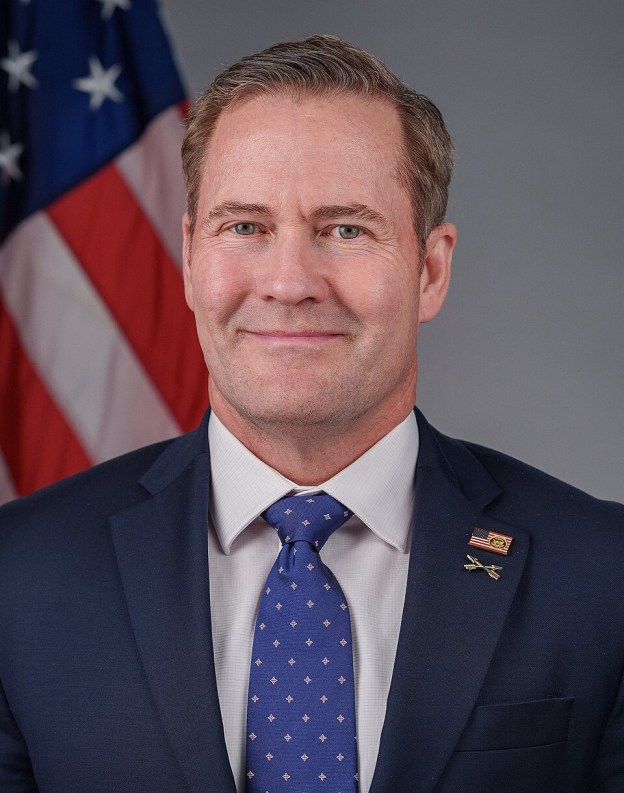
Core Duties
• Lead U.S. representation and diplomacy at the UN, especially in the Security Council (where the U.S. is a permanent member) and the General Assembly.
• Negotiate and advance U.S. positions on resolutions, peacekeeping mandates, sanctions, humanitarian issues, and other UN actions.
• Advise the President and Secretary of State on UN-related matters and convey U.S. policy.
• Build coalitions among member states, lobby for support, and engage UN officials (including the Secretary-General).
• Manage and lead the USUN staff and operations.
• Promote U.S. interests in international peace and security, while addressing specific crises (e.g., Gaza, Haiti, Sudan, maritime security, and others).
Core Powers
• Cast the United States’ vote in the Security Council (including the ability to exercise or withhold the U.S. veto as a permanent member).
• Speak and negotiate officially on behalf of the U.S. government in UN bodies.
• Direct additional U.S. representatives to other UN organs.
• Use U.S. diplomatic influence, funding leverage (as the largest contributor), and coalition-building to shape outcomes—consistent with presidential guidance.
• Exercise standard diplomatic privileges and immunities of an ambassador.
In practice under the current administration, Waltz has focused on returning the UN to its “core mission” of diplomacy, peace, security, burden-sharing, and lifesaving assistance; pushing budget, personnel, and peacekeeping reforms; countering perceived anti-American or antisemitic bias; and supporting specific U.S. initiatives (such as Gaza-related resolutions). His authority remains subordinate to presidential and State Department direction.

