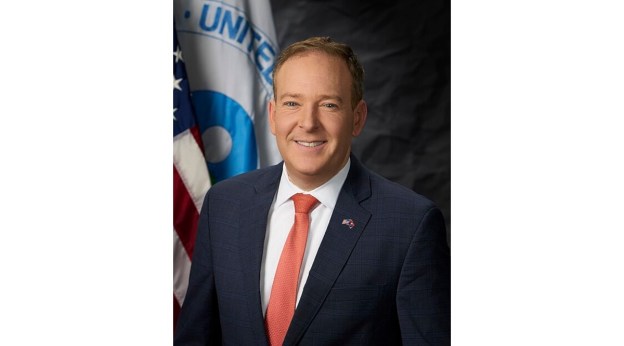
Formal Position and Oversight
Under Reorganization Plan No. 3 of 1970 (which created the EPA) and 40 CFR § 1.23:
• The Administrator is appointed by the President with the advice and consent of the Senate.
• The Administrator is responsible to the President for providing overall supervision of the Agency.
• A Deputy Administrator assists and acts as Administrator in the Administrator’s absence.
The Administrator retains ultimate legal responsibility for agency decisions and may delegate specific functions.
Principal Roles and Functions
From the presidential message transmitting Reorganization Plan No. 3 of 1970, the core roles include:
• Establishing and enforcing environmental protection standards consistent with national environmental goals.
• Conducting research on the adverse effects of pollution and methods for controlling it; gathering pollution information; and using that information to strengthen programs and recommend policy changes.
• Assisting others (through grants, technical assistance, and other means) in reducing pollution.
• Assisting the Council on Environmental Quality in developing and recommending new environmental protection policies.
These are implemented through research, monitoring, standard-setting, enforcement, and support for state, tribal, and local programs.
Core Statutory Powers and Duties
The Administrator exercises authorities under major environmental statutes (primarily codified in Title 40 of the Code of Federal Regulations). Key ones include:
Set National Ambient Air Quality Standards (NAAQS); emission standards for stationary and mobile sources; hazardous air pollutant standards; new source performance standards; acid rain and ozone programs; emergency orders for imminent endangerment.
Regulate pollutant discharges (e.g., NPDES permits); set effluent limitations and water quality standards; oversee related funding and programs.
Establish national primary drinking water regulations.
Regulate chemical substances (manufacture, use, disposal, testing).
Regulate solid and hazardous waste management
Oversee identification, assessment, and cleanup of hazardous sites; related liability and enforcement.
Oversee identification, assessment, and cleanup of hazardous sites; related liability and enforcement.
Additional Key Responsibilities
• Overseeing the agency’s budget, operations, and organizational structure.
• Directing scientific research priorities and managing advisory bodies.
• Representing the U.S. in international environmental matters.
• Serving as the primary public spokesperson and testifying before Congress.
• Exercising emergency authorities available under specific statutes.
EPA’s official mission is to protect human health and the environment. The Administrator is accountable for fulfilling the agency’s statutory obligations under the laws listed above while operating within the bounds of those statutes, the Administrative Procedure Act, and other applicable law.

